What Is Craniosacral Therapy?
Most people first hear about craniosacral therapy from someone they trust: a midwife, a massage therapist, a friend who quietly credits it with helping them through something difficult, but who may struggle to explain it in plain terms. So what is it, exactly? Craniosacral therapy is a gentle, hands-on approach rooted in osteopathic medicine, with nearly five decades of practice and research behind it and licensed healthcare practitioners trained in the work around the world. This article covers what CST is, where it came from, how a session works, and what the research shows.
Where it came from
The story starts in 1970, when John E. Upledger, an osteopathic physician, observed a rhythmic movement in the membranes surrounding the spinal cord during a surgical procedure. None of his colleagues could explain it. That observation sent him looking for answers.
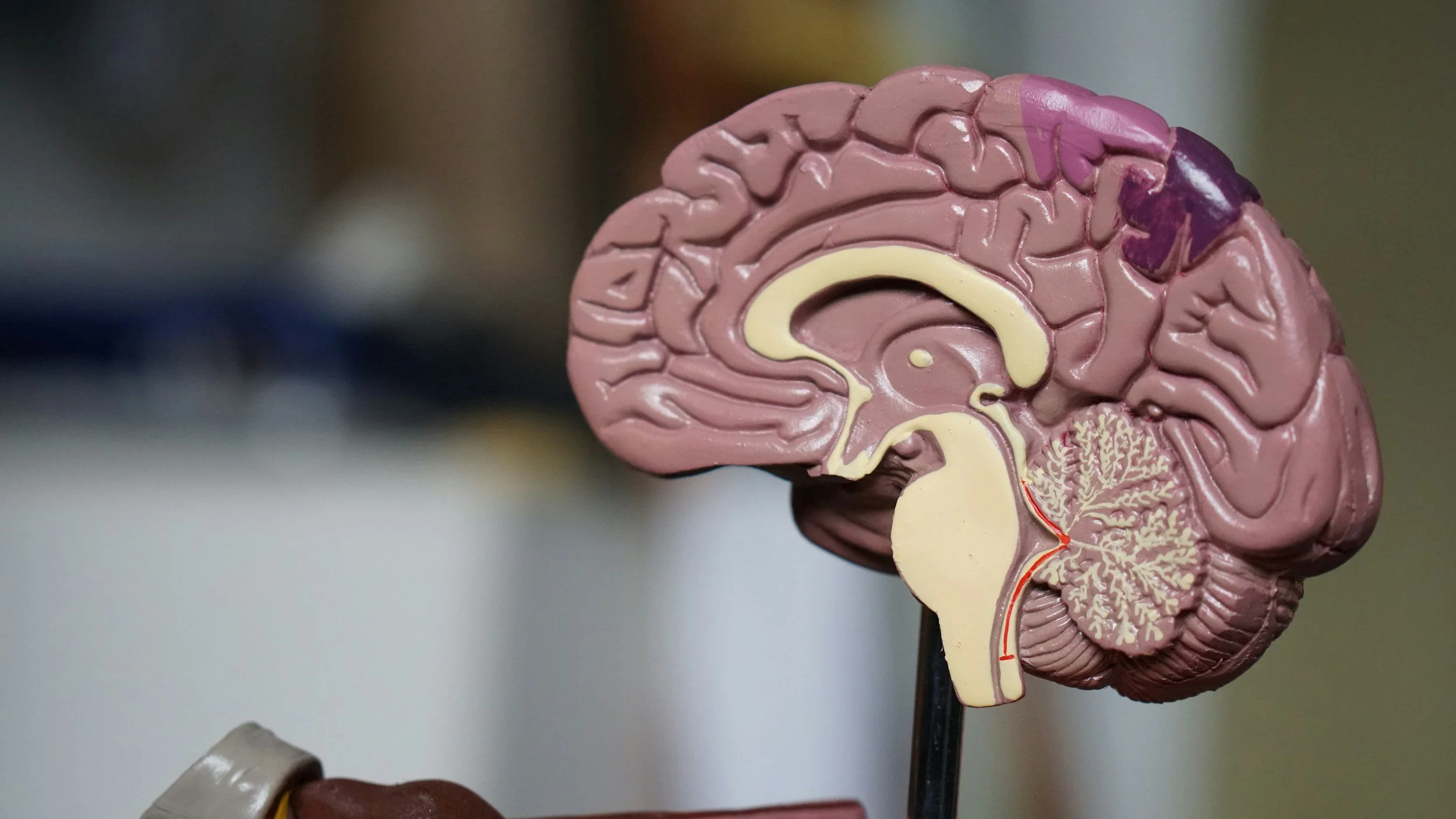
From 1975 to 1983, Upledger led a multidisciplinary research team at Michigan State University's College of Osteopathic Medicine, working alongside anatomists, physiologists, biophysicists, and bioengineers. Their work documented the craniosacral system, the network of membranes and cerebrospinal fluid that surrounds and protects the brain and spinal cord, and how restrictions in that system can affect the functioning of the central nervous system. The therapy Upledger developed from that research is now taught through theUpledger Institute International to practitioners in more than 70 countries.
Upledger's work built on a longer tradition. Earlier in the 20th century, osteopathic physician William Sutherland had theorized that the bones of the skull were structured to allow subtle movement, a concept that was controversial at the time and remained so for decades. Upledger's MSU research provided a scientific framework for understanding the system Sutherland had identified. CST as practiced today emerged from that lineage.
Note: In the United States, osteopathic physicians (DOs) are fully licensed medical doctors who complete the same residency and licensing requirements as MDs. Outside the US, the term "osteopath" refers to a different, less regulated profession. When this article refers to the osteopathic origins of CST, it is referring to the US medical tradition.
How it works
Cerebrospinal fluid circulates through the craniosacral system in a rhythmic motion, typically 6 to 12 cycles per minute, through the membranes and fluid that run from the skull to the sacrum. Trained practitioners learn to detect this rhythm through palpation, a refined sense of touch developed through extensive clinical training.
In a session, the client remains fully clothed on a padded treatment table. The practitioner uses touch no heavier than the weight of a nickel to assess the craniosacral rhythm and identify areas where the system appears restricted. From there, delicate manual techniques are used to release those restrictions, with the goal of allowing the central nervous system to function more freely.
What clients experience varies considerably. Some describe a sense of deep relaxation, warmth, or subtle pulsing in areas being worked on. Others notice emotional feelings arising and resolving. Some simply feel rested. There is no single correct response, and nothing about the session requires effort on the client's part.
Is it safe?
For most people, yes. CST is gentle and non-invasive by design. The touch involved is light enough that sessions are appropriate for newborns, pregnant women, and people with conditions that make deeper bodywork difficult or impossible. There are a small number of situations where CST is not recommended, including certain acute neurological conditions, and a qualified practitioner will screen for these during intake. For the vast majority of people seeking gentle, complementary support, the risk profile is exceptionally low.
This matters for a simple reason: even if someone is uncertain whether CST will help their particular situation, the cost of trying it is minimal. It does not interfere with other treatments, does not require stopping any medications, and leaves no recovery period. It is the kind of thing worth trying when someone is open to it.
What the research shows
Research on craniosacral therapy has grown steadily over the past two decades, with studies across chronic pain, nervous system regulation, pregnancy, and infant care. Some studies have found meaningful benefits; others have not. What isconsistent across the literature is the safety profile: CST is gentle, non-invasive, and does not interfere with other treatments. For people open to a low-risk complementary approach, that is worth knowing. For a full discussion of the research, see “What Does the Research on Craniosacral Therapy Actually Show?”
Who typically seeks it out
People come to craniosacral therapy by different paths. Some arrive via referral from a midwife, doula, massage therapist, or physician who works with complementary approaches. Others find it after conventional treatment has addressed the immediate problem but something still feels off. Some simply want a gentle, hands-on option that does not involve medication or forceful manipulation.
Conditions people commonly bring to a CST practitioner include chronic tension and headaches, stress and nervous system dysregulation, pregnancy and postpartum recovery, infant feeding difficulties and birth-related strain, and support during life transitions including perimenopause. This is not an exhaustive list, and CST is not appropriate as a primary response to acute medical conditions. A practitioner with a strong clinical background will be clear about what CST is suited for and when a referral elsewhere makes more sense.
What to look for in a practitioner: a licensed healthcare background, such as occupational therapy, physical therapy, or medicine, provides a professional and ethical framework for the work.Upledger Institute training is the most widely recognized credential in the field and indicates the practitioner has completed a structured curriculum with clinical components.
About this practice
Nancy Bradshaw is a Licensed Occupational Therapist with more than 30 years of healthcare experience and specialized craniosacral therapy training through the Upledger Institute. She founded Light Touch Craniosacral Therapy in Jacksonville, Florida, to offer this work to women navigating every stage of life and to infants in their earliest days. Her background in occupational therapy shapes how she approaches each session: with attention to the whole person, not just the presenting complaint.
If CST is new to you and you are not sure whether it might help, that is a reasonable place to start. Nancy is glad to answer questions before anyone commits to a session.
Ready to experience it for yourself?
Craniosacral therapy is not a substitute for medical care. Please consult your healthcare provider regarding any medical concerns.
Sources
Haller H, Lauche R, et al. Craniosacral Therapy for Chronic Pain: A Systematic Review and Meta-Analysis of Randomized Controlled Trials. BMC Musculoskeletal Disorders. 2020. doi:10.1186/s12891-019-3017-y
Haller H, Lauche R, et al. Craniosacral Therapy for the Treatment of Chronic Neck Pain: A Randomized Sham-Controlled Trial. Clinical Journal of Pain. 2016. PMC4894825
Ceballos-Laita L, Ernst E, et al. Is Craniosacral Therapy Effective? A Systematic Review and Meta-Analysis. Healthcare (Basel). 2024. PMC10970181
Amendolara A, Sheppert A, et al. Effectiveness of Osteopathic Craniosacral Techniques: A Meta-Analysis. Frontiers in Medicine. 2024. doi:10.3389/fmed.2024.1452465