

How Craniosacral Therapy Works

A gentle, precise approach to nervous system support, grounded in osteopathic medicine and delivered through skilled, caring touch.

What It Feels Like

You lie fully clothed on a comfortable treatment table. Nancy's touch is light and still, less like a massage and more like a gentle conversation with your nervous system.
Most people enter a state of deep relaxation within minutes. Some notice subtle sensations of warmth, movement, or release. Some experience emotions surfacing gently and resolving on their own. Some simply rest in a way they rarely get to elsewhere. There is no right way to experience a session. Your body leads, and Nancy follows.
Sessions last 60 to 90 minutes depending on the appointment type. Nancy can narrate what she is noticing during the session if that helps you feel more grounded and informed.

Origins of CST
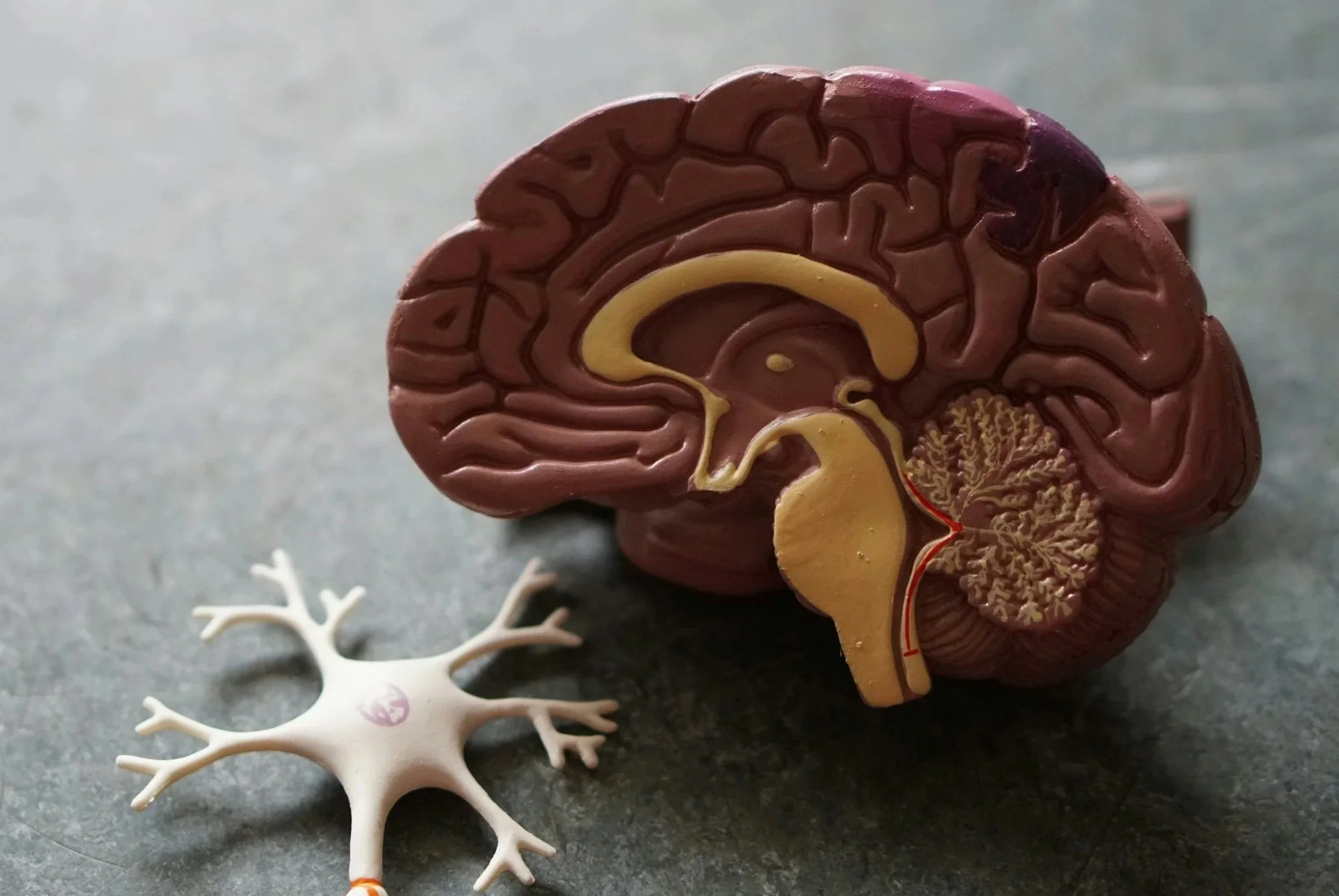
Craniosacral therapy was developed from osteopathic medicine by Dr. John Upledger, whose research identified subtle rhythmic movements in the craniosacral system, the membranes and fluid that surround and protect the brain and spinal cord.
Restrictions in this system, whether from stress, injury, trauma, or the demands of daily life, can affect how the nervous system functions and how the body feels.
Using touch no heavier than the weight of a nickel, a trained practitioner works with the head, spine, and sacrum to release those restrictions. The result is a nervous system that can shift out of protective holding patterns and return to its natural state of regulation and ease.
Nancy trained in this approach through the Upledger Institute and has continued her education through advanced programs in biodynamic craniosacral therapy and related disciplines.

Your Body’s Response to Treatment

Each session builds on the last, supporting your nervous system's natural capacity to regulate, release, and restore.
-
Many clients notice a greater sense of ease in their body and emotions, with less reactivity to daily stressors. Some describe feeling more present, more grounded, and more like themselves.
-
Sleep often deepens after CST. Restlessness, racing thoughts at bedtime, and difficulty staying asleep frequently soften as the nervous system finds its natural rhythm.
-
As fascial restrictions release, movement tends to become easier and more natural. Many clients notice less stiffness, greater range of motion, and a body that simply feels more at home in itself.
-
Chronic pain conditions including migraines, neck and back pain, and tension headaches often respond well to CST. Rather than masking symptoms, the work addresses patterns held in the nervous system and connective tissue.
-
The accumulated weight of stress, both physical and emotional, tends to soften over the course of treatment. Most clients leave sessions feeling deeply relaxed in a way that differs from massage or rest alone.
Support Between Sessions
-

Self-Care Guidance
Practices to support your nervous system between visits
-
CST Education
Understanding how the work is supporting your body and why
-

Parent Resources
Materials to help you support your infant between sessions
-

Integration Support
Suggestions for carrying the effects of each session into daily life

Types of Sessions
All sessions are by appointment and held in a fragrance-free environment.

Adult Initial Visit
For new clients, including pregnant and postpartum women. We'll get acquainted, review your health history, establish treatment goals, and begin care.
90 minutes
Infant Initial Visit
For infants and their caregivers seen for the first time. We'll get acquainted, gather a health history, establish treatment goals, and identify additional resources.
75 minutes
Adult Follow-Up Visit
For returning clients. May include a brief check-in before treatment and care recommendations afterward.
60 minutes
Infant Follow-Up Visit
For infants with an established plan of care. Sessions address developmental changes and evolving needs.
Time varies
Next Steps

Book an appointment
Ready to get started? Sign up for your first consultation and appointment.

Learn who benefits
Think CST is for you? Find out who we work with most.